Clause and Effect: Streamlining Statutory Analysis Software for Modern Policy Teams
September 10, 2026


Every bill starts with an intention. It may be designed to fix a problem, change a program, update a definition, expand an authority, or remove a restriction.
But between the intention of a bill and the law it ultimately creates, there can be a lot of complexity. A few words changed in one section can affect another. A definition can change how multiple provisions are interpreted. A paragraph that gets deleted or renumbered can affect references elsewhere in the law. And sometimes the real impact of a bill is not obvious until someone takes the time to reconstruct everything it changes.
That leads to a simple question: what if we could see that impact before the bill becomes law?
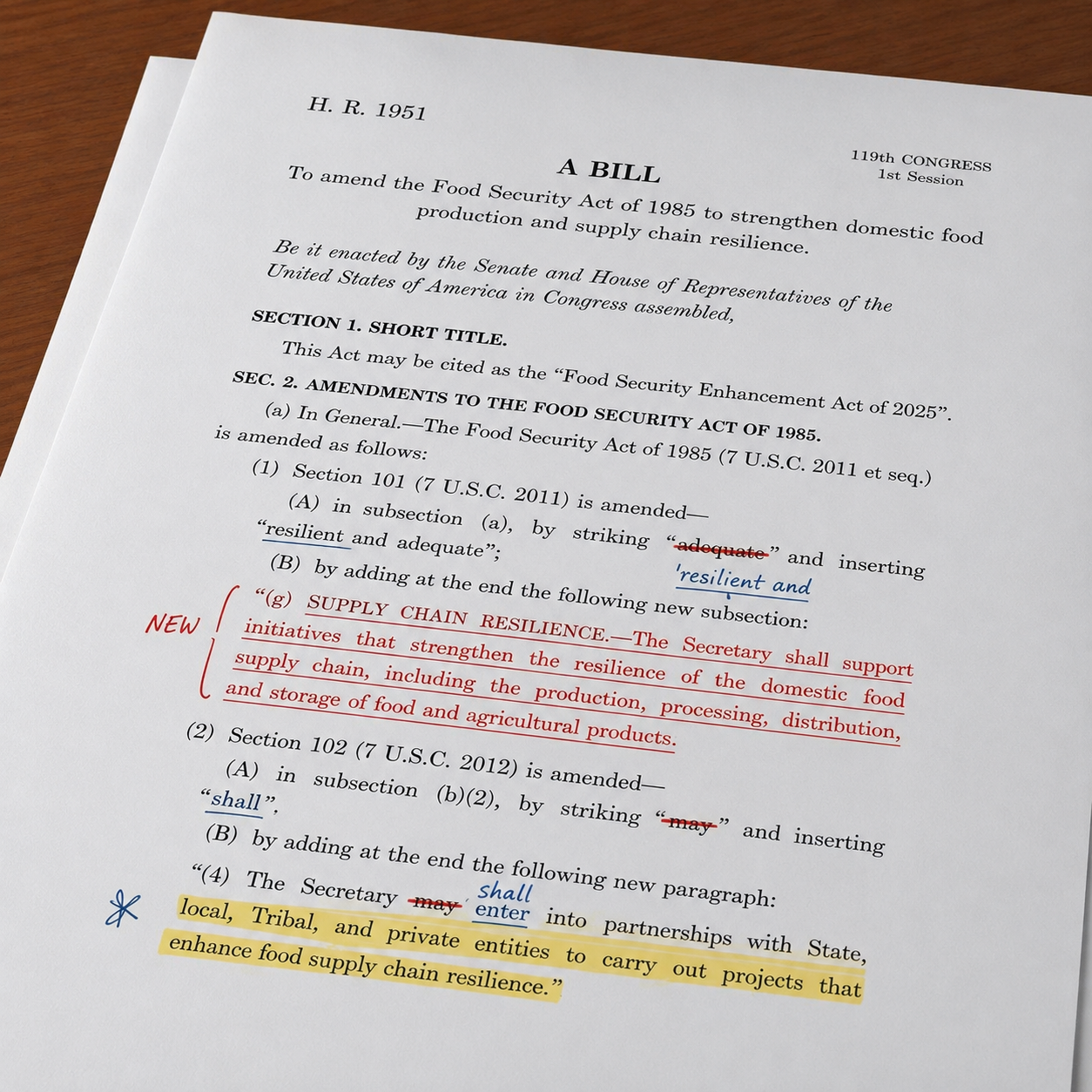
Bills are generally written as instructions for changing existing law. They tell us to strike certain language, insert new text, replace words, or redesignate paragraphs. Those instructions may be precise, but they still leave the reader with work to do.
To understand the result, someone has to find the current law, apply those instructions, and reconstruct what the statute would actually look like if the bill passed. Depending on the size and complexity of the legislation, that can take a significant amount of time before the real analysis even begins.
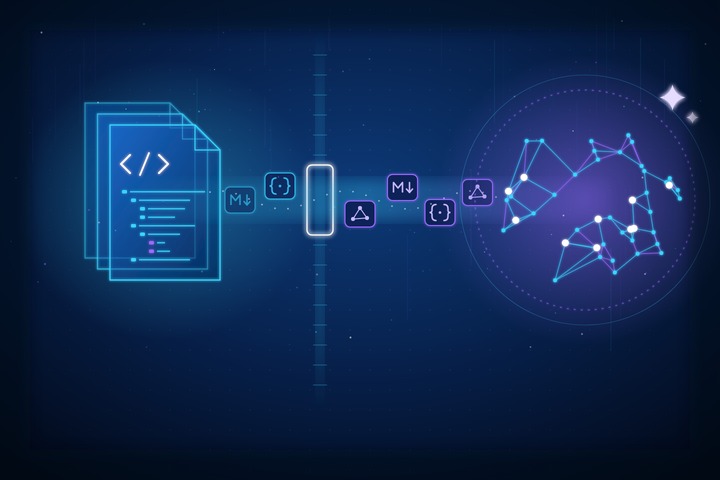
Clause and Effect was built to handle that mechanical work automatically. A bill can be uploaded and the software identifies the affected law, applies the proposed changes, and presents those changes in context so the reader can see the existing language, additions, and deletions together.
How Manual Statutory Analysis Slows Down Policy Teams
Saving time is certainly an important part of the value, but it is not the whole story. The more interesting question is what legislators, agencies, attorneys, and policy professionals can do once that manual reconstruction work is removed.
When the effect of a bill is immediately visible, the analysis can start much earlier. A legislator preparing for a committee hearing can see how a proposal changes current law. An agency can quickly examine how new language could affect an existing program or authority. Legislative counsel can review the resulting statutory language rather than mentally assembling it from amendment instructions. Policy staff can focus their time on the consequences of the proposal instead of spending hours building the document they need in order to begin their analysis.
That allows everyone involved to get to the important questions faster:
- Intent: Does the bill actually accomplish what we think it does?
- Cross-references: Does changing one provision affect something elsewhere in the law?
- Unintended Consequences: Could the new language create an unintended consequence?
- Scope & Authority: Does it change an agency’s authority in a way that was not anticipated?
- Analysis: Is there something in the resulting law that deserves another look before the legislation moves forward?
These questions have always been part of good legislative analysis. Clause and Effect does not replace that analysis. It simply removes some of the mechanical work required to get there.
Enhancing Legislative Transparency with Automated Redlining
There is also a broader transparency benefit. Most legislative information systems are very good at showing us the documents involved in the process. We can find the introduced bill, amendments, committee versions, votes, and eventually the enacted law. What is often much harder to see is the relationship between the proposed bill and the law it is actually changing.
That means the people following legislation are often left to determine for themselves what the bill means when applied to existing law. For experienced legislative professionals, that may simply require time and effort. For everyone else, it can make proposed legislation much harder to understand than it needs to be.
Imagine if seeing a bill also meant being able to immediately see the law it would create. Not a summary. Not an interpretation. Not an AI-generated opinion about what the legislation means. Instead, you could see the actual affected statutory text with the proposed changes applied and clearly marked.
That provides a much clearer starting point for legislators, agencies, attorneys, policy professionals, and potentially the public. Everyone can begin with the same picture of the proposed change and then apply their own expertise, judgment, and analysis.
Ultimately, that is what Clause and Effect is about. Before we change the law, we should be able to see the law we are creating.
For years, producing that view has required someone to manually find, assemble, and mark up the affected statutes. Technology can now handle much of that mechanical work, while leaving the important work of interpretation, analysis, debate, and decision-making to people.
Clause and Effect is not designed to make legislative decisions or tell people what they should think about a bill. It is designed to give everyone involved a clearer picture of what they are actually deciding.
See the change. Understand the effect. Then make the decision.
See Clause and Effect in Action
If your organization spends hours reconstructing existing law just to understand proposed legislation, we would be happy to show you what we have built. Upload a bill, see the affected law, view the proposed changes in context, and start your analysis from there.
Book a Demo of Clause and Effect Today
by Ian Francis